

Oliver Physiotherapy & IMS · Since 2008

Active Recovery, Grounded Care.

Restoring natural movement and relieving joint pain for Oliver and the South Okanagan since 2008.

  • No referral needed
  • Direct billing (ICBC & WSBC)
  • English & Français
Real life, real recovery

Getting Oliver moving again

Senior couple walking confidently on an Okanagan vineyard trail
Knee & mobilityWalking the trails with confidence again.
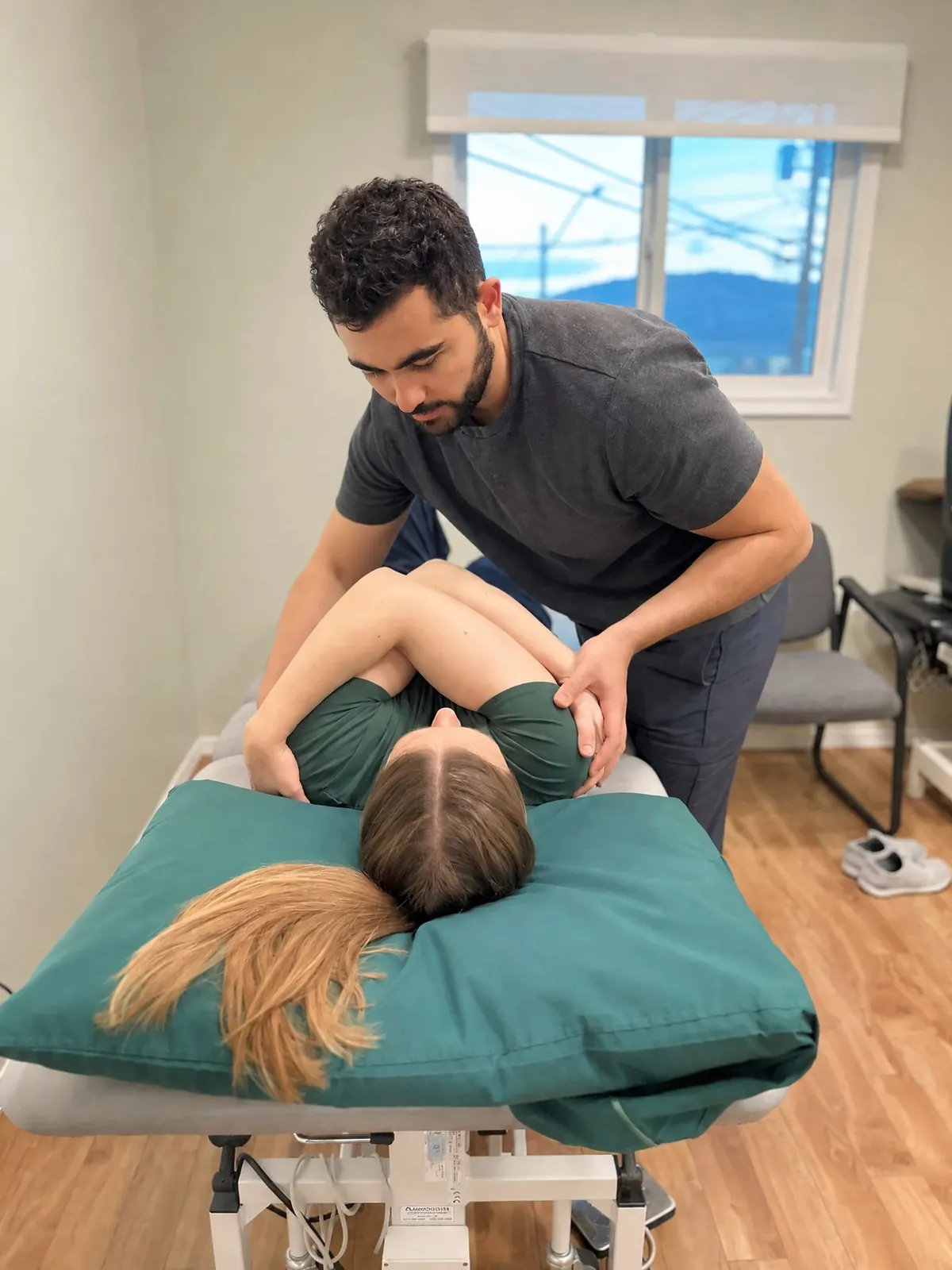
Physiotherapist treating a patient's shoulder at Oliver Physiotherapy
Shoulder & spineHands-on care for upper back and shoulder stiffness.
Cyclist cresting a hill above an Okanagan lake
Active livingBack on the bike, pain-free.
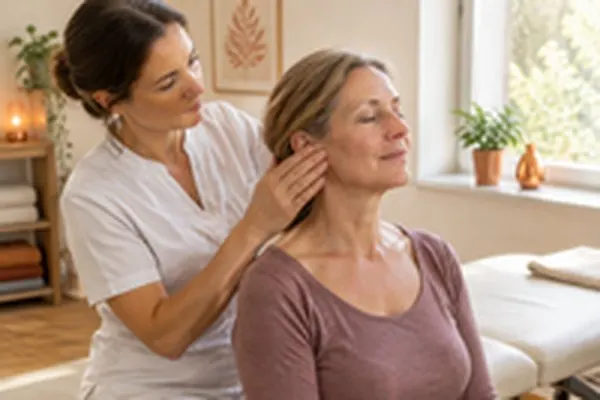
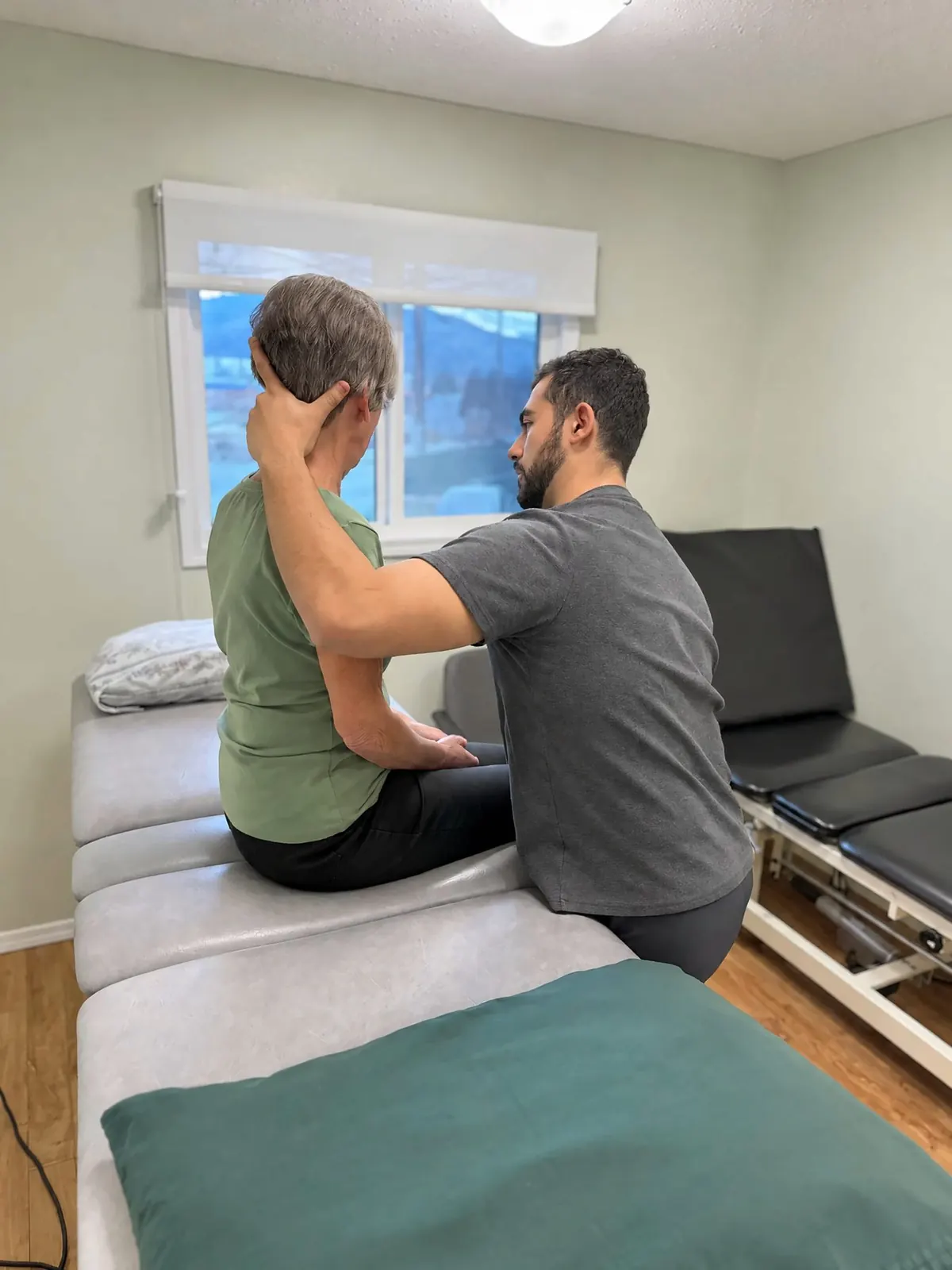
Physiotherapist gently treating a patient's neck
Neck & jaw (TMJ)Gentle relief for neck and jaw discomfort.
Patient reviews

What our patients say

5.0

Rated 5 out of 5 on Google
From 15 patient reviews.

Read all reviews on Google
“I have been going to Kristy as I have needed her for about seven years… I absolutely cannot rave enough about her. Her IMS techniques are second to none… I highly highly highly recommend Kristy for chronic pain and muscle issues.”
GGoogle review · IMS · chronic pain
“Kristie saved me from a life of vertigo. She is so amazing and was able to look for the root of the problem instead of sending me on my way after doing the Epley manoeuvre. I am so grateful to her.”
GGoogle review · Vertigo
“Kristy is absolutely amazing with her IMS techniques. I am a painter and she fixed my shoulders when no one else could and keeps the migraines away as well. So happy we found you!”
GGoogle review · Shoulders · migraines
“I have been seeing Kristy for several years because of a broken calcaneus. She manually mobilizes it and gets me walking again without pain. She also uses IMS in my hips and back to release tension. She really cares about people’s pain.”
GGoogle review · Foot · hips · back
Services

Understand your treatment

Pick a topic to learn how it works and what to expect.

Senior couple walking steadily on a vineyard path
Learn more

Vertigo & Balance

Why the room spins, and how we help it stop.

Your inner ear is your balance centre

Deep inside each ear are three small fluid-filled canals that sense when your head turns. Nearby, tiny calcium crystals help you sense gravity and which way is up.

When crystals move out of place

Sometimes those crystals come loose and drift into one of the canals. This is called BPPV (benign paroxysmal positional vertigo). Rolling over in bed, looking up or bending down then sends a false “spinning” signal to your brain. The spinning is usually brief, often under a minute, but it can be frightening and can lead to falls.

Simple repositioning manoeuvres

We move your head through a short series of positions, such as the Epley manoeuvre. Gravity guides the crystals back to where they belong. It is gentle, takes a few minutes, and many people feel much steadier within a few visits.

Vestibular rehab for other dizziness

Not all dizziness is BPPV. After an inner-ear infection, a concussion or with age, your eyes, inner ear and brain can stop working smoothly together. Targeted exercises retrain the system, and balance training lowers your risk of falling.

Your first visit

  1. We talk about your symptoms and what triggers them.
  2. We check eye movements and test different head positions.
  3. We assess your balance and walking.
  4. You leave with treatment and a simple home plan.
Get urgent help first: if dizziness comes on suddenly with slurred speech, face drooping, weakness or numbness, double vision or a severe headache, call 9-1-1.
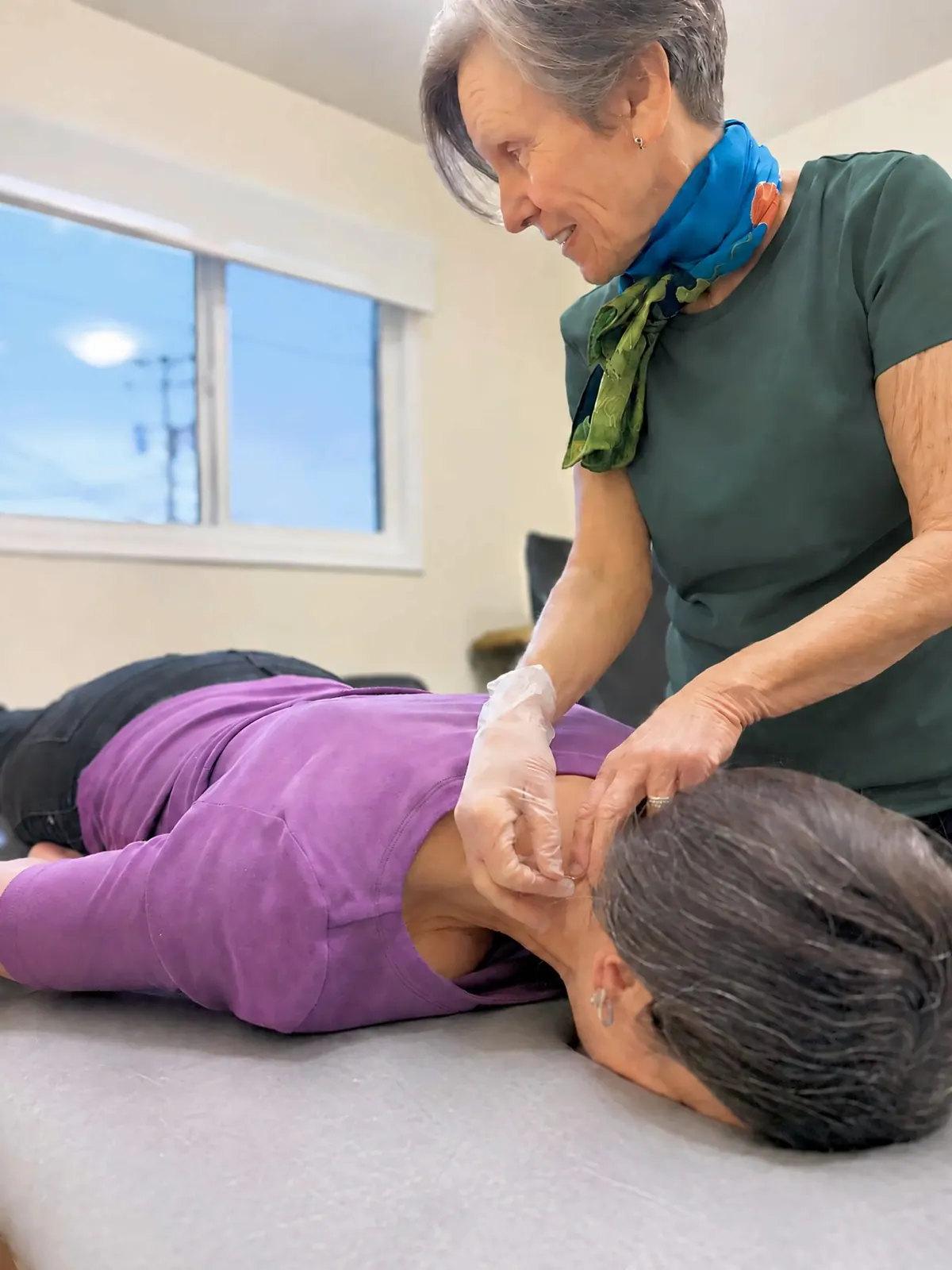
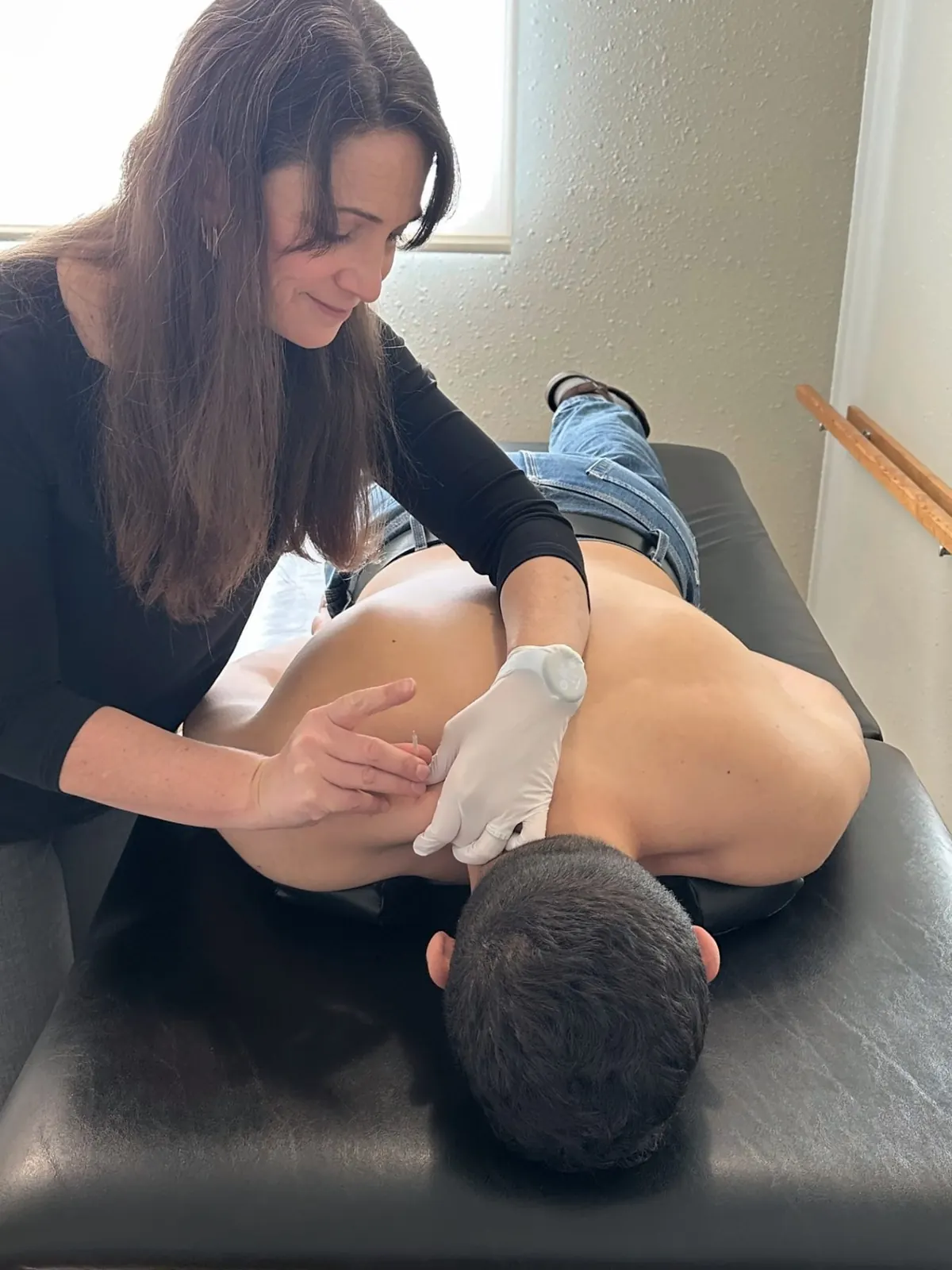
Kristie placing a fine IMS needle in the upper back
Learn more

IMS Dry Needling

Releasing deep, stubborn muscle tightness.

What a tight band is

After an injury, or when a nerve is irritated, parts of a muscle can stay switched on. These tight bands feel like knots, limit movement and can refer pain to other areas.

How IMS works

Intramuscular stimulation (IMS) uses a very fine, sterile, single-use needle placed into the tight band. The muscle often gives a brief twitch or cramp, then lets go. Pressure on the nerve eases and movement feels freer.

What it feels like

You may feel a deep ache or cramp for a few seconds. Mild soreness for a day or two afterwards is normal, a bit like after a workout.

Who it helps

Chronic muscle pain, sciatica, neck and shoulder tightness, tennis elbow and pain that has not settled with other care.

Is it right for me?

Your physiotherapist checks your health history first. Tell us if you take blood thinners, are pregnant or feel anxious about needles. IMS is always combined with exercise so the gains last.

Your first visit

  1. We assess how you move and find the tight bands.
  2. We explain IMS and check it is safe for you.
  3. If you agree, treatment takes a few minutes.
  4. You leave with exercises to keep the muscle relaxed.
Physiotherapist gently releasing a patient's neck
Learn more

Manual Therapy & Joint Mobilization

Skilled hands to free stiff joints and tight tissue.

Why joints get stiff

Injury, arthritis, long hours sitting or simply favouring a sore spot can make a joint lose its natural glide. The muscles around it tighten to protect it, and pain builds.

Mobilization

Gentle, repeated movements at the right depth and speed restore the joint’s glide. Most people find it relaxing.

Manipulation

When appropriate, a quick, precise movement can free a joint that is stuck. It is only used after a careful assessment and with your consent.

Soft-tissue release

Hands-on work on muscles and fascia eases tension and improves blood flow around the joint.

Hands-on plus movement

Manual therapy opens a window of easier movement. Your home exercises keep that window open, so results last between visits.

Your first visit

  1. We talk about your pain and daily activities.
  2. We test joint movement, strength and posture.
  3. We treat with hands-on techniques that suit you.
  4. You leave with simple exercises to keep moving.
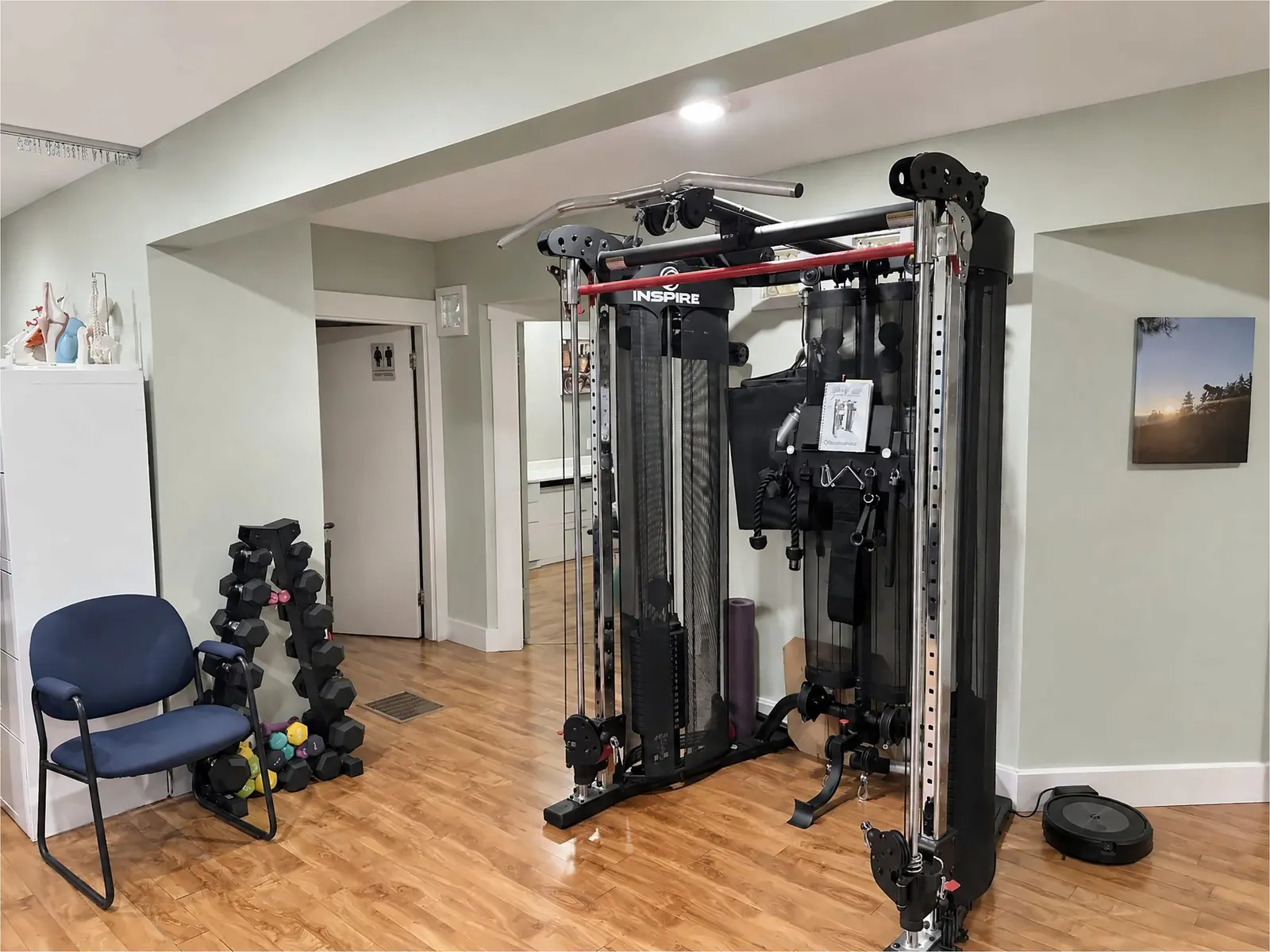
The clinic's functional trainer and exercise area
Learn more

Sports Rehab

Back to the trail, court or bike, and staying there.

Find the why

Most sports injuries have a cause: a weak link, a training jump, worn gear or old injuries. We look at the whole chain, not just the sore spot.

Phase 1 – settle

We calm pain and swelling and protect healing tissue, while keeping the rest of you active.

Phase 2 – restore

We bring back full movement, then rebuild strength, balance and control.

Phase 3 – return

Sport-specific drills and simple tests show when you are ready. You return with confidence, not guesswork.

Prevent the next one

Warm-up, load and technique tips that fit your sport and season.

Your first visit

  1. We go over how the injury happened and your goals.
  2. We test movement, strength and sport-specific tasks.
  3. We start treatment and set a clear timeline.
  4. You leave with a phase-by-phase plan.
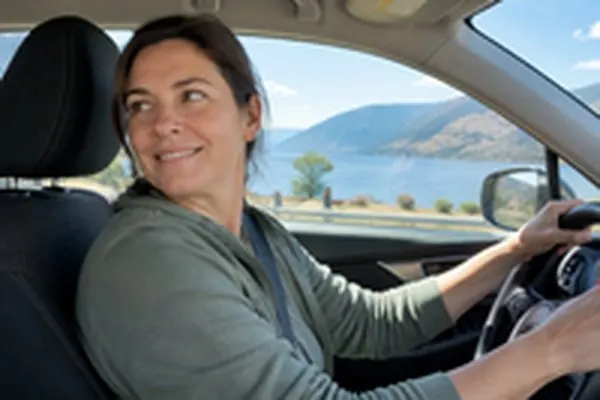
Driver checking her blind spot without neck pain
Learn more

ICBC · Car Accident Recovery

Early, guided care after a crash.

Whiplash explained

In a collision the head moves quickly forward and back. Muscles, ligaments and joints in the neck and upper back can strain. Pain and stiffness often show up hours or days later.

Why early care matters

Gentle movement and guided treatment in the first weeks help tissues heal well and lower the chance of long-term pain.

No referral needed

You can come straight to us. Report the crash to ICBC, then bring your claim number to your first visit.

We handle the paperwork

We bill ICBC directly and send the reports they need, so you can focus on recovery.

Your first visit

  1. Bring your ICBC claim number and photo ID.
  2. We assess your neck, back and any other injuries.
  3. We start gentle treatment the same day.
  4. You leave with a recovery plan and home exercises.
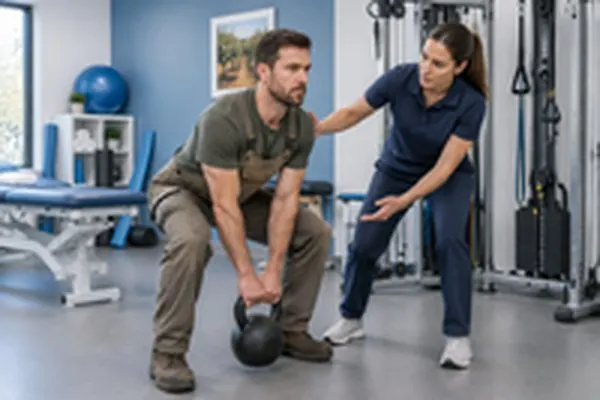
Orchard worker practising safe lifting
Learn more

WSBC · Work Injuries

Return-to-work plans built around your real job.

Report it first

Tell your employer and report the injury to WorkSafeBC. Bring your claim number to your first visit.

Treatment that fits your job

Orchard and vineyard crews, trades, drivers and office staff all have different demands. We match your plan to the lifting, reaching, climbing or sitting your job requires.

A safe return

We build strength and endurance step by step and can suggest modified duties so you can stay at work safely while you recover.

Direct billing

We bill WorkSafeBC directly and keep your file up to date.

Your first visit

  1. Bring your WorkSafeBC claim number.
  2. We assess the injury and your job demands.
  3. We start treatment and set return-to-work goals.
  4. You leave with a clear plan and exercises.
Person gently massaging her jaw
Learn more

TMJ & Jaw Pain

Calm the clicking, locking and aching.

Your jaw joint

The temporomandibular joint (TMJ) sits just in front of each ear. A small disc cushions the joint as you open, chew and talk.

Why it clicks or locks

If the disc slips or the muscles get tight, the jaw can click, catch or feel stuck. Clenching, grinding, stress and posture all play a part.

The neck connection

Jaw problems often come with neck tension and headaches. We treat them together.

How we help

Gentle hands-on release, jaw and neck exercises and habit coaching help the joint move smoothly again. We work alongside your dentist when needed.

Your first visit

  1. We talk about your symptoms and habits.
  2. We check jaw opening, the joint and your neck.
  3. We start gentle treatment.
  4. You leave with simple jaw exercises.
1 / 7
Everything we treat

16 ways we can help

Treatments in action

Care that fits your body, and your life.

Every visit is one-on-one with a registered physiotherapist. We combine hands-on treatment, movement and clear advice, so you always know what’s happening and what to do next.

✓ No referral needed✓ Direct billing, incl. ICBC & WSBC✓ English & Français
Hands-on shoulder mobilization
Manual therapyHands-on care for stiff jointsMobilization and manipulation help locked joints glide again.
IMS dry needling on the upper back
IMS dry needlingRelease deep muscle tensionA very fine needle reaches tight muscle bands that hands can’t.
Functional trainer and weights in the clinic gym
Active rehabStrength you can rely onGuided exercise to rebuild strength and confidence.
Cyclist above an Okanagan lake
Joint mobilityMove freely, stay activeKnee, hip and shoulder rehab for an active Okanagan life.

Not sure which service you need?

Book an assessment. We’ll find the cause and build your plan together.

Why movement matters

Your joints are built to move. Pain means they’ve lost their rhythm.

Every joint has a job. Your spine bends and twists. Your shoulder reaches in every direction. Your knee hinges and absorbs each step. Your jaw opens, closes and glides when you talk and eat.

When it all works together, you don’t think about it. When an injury, a fall, arthritis or the same movement repeated day after day makes a joint stiff or sore, your body tries to protect it. The muscles around it tighten and do extra work. That guarding helps at first. Over time it leads to more stiffness, weaker support and pain that keeps coming back.

Injury or strain

A fall, a lift, a crash or years of wear.

The joint stiffens

It stops gliding and rotating freely.

Muscles overcompensate

Nearby muscles tighten and tire.

Pain limits movement

Less movement means more stiffness.

Spine

Built to bend, twist and carry you. Long hours sitting, heavy lifting or a sudden strain can lock up the small joints of your back and neck.

Low back pain · sciatica · whiplash

Shoulder

Your most mobile joint, and the easiest to overload. Reaching, lifting and repetitive work can irritate the rotator cuff.

Rotator cuff · frozen shoulder

Knee

A strong hinge that takes load with every step, stair and pedal stroke. Wear, twists and overuse can make it sore and unstable.

Arthritis · ligaments · post-surgery

Jaw (TMJ)

A small joint in front of your ear that you use all day. Clenching, stress and posture can strain it.

Clicking · locking · headaches
Your healing journey

Three steps back to easy movement

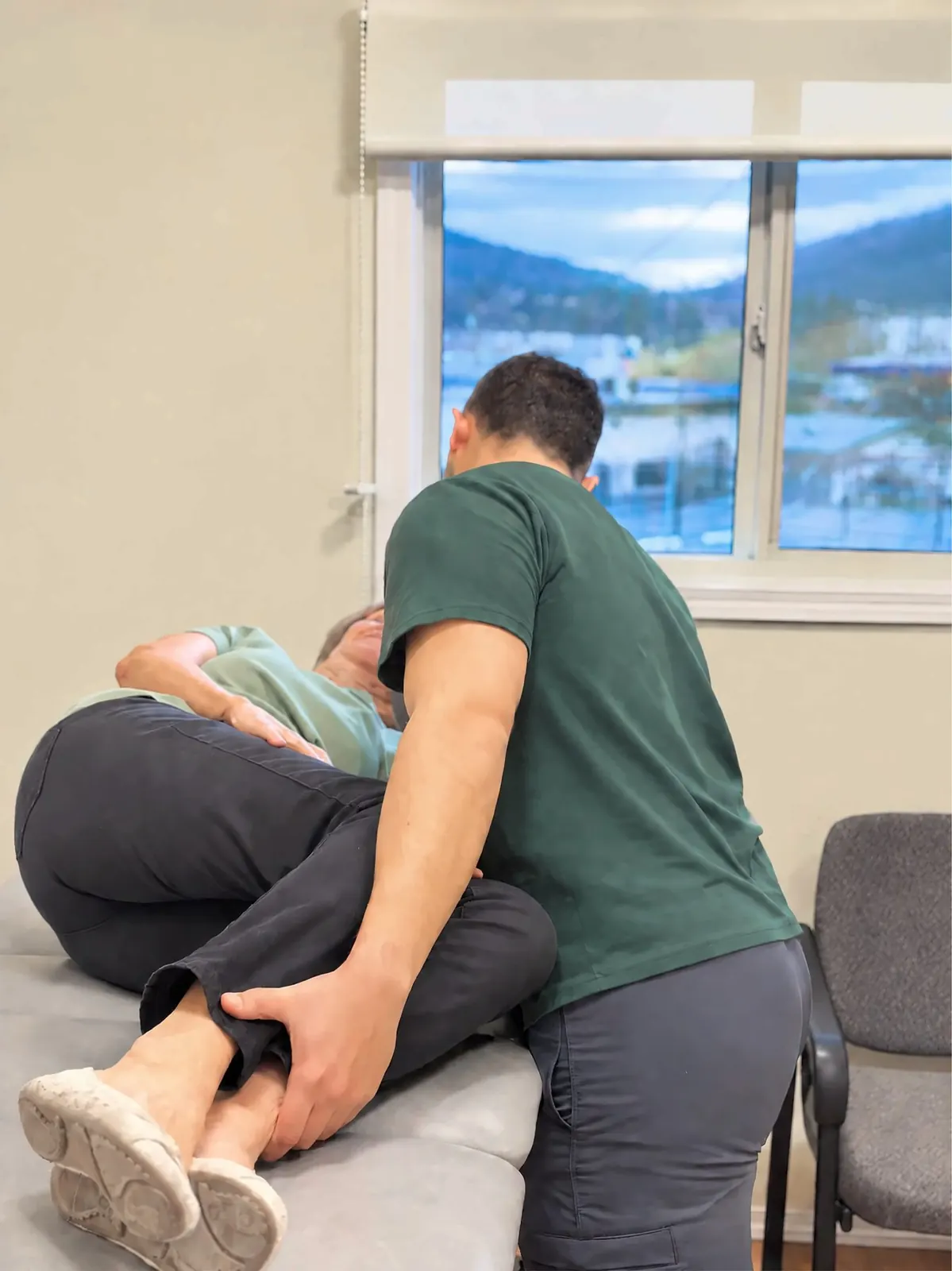
Physiotherapist mobilizing a patient's hip
Step 1

Unlocking joint restriction

When injury or arthritis locks up a joint, the muscles around it overcompensate. Hands-on mobilization helps the joint glide smoothly again.

Targeted IMS treatment on the upper back
Step 2

Relieving nerve & muscle tension

Gentle manual therapy and IMS calm irritated nerves and help settle local inflammation, so moving feels easier.

Functional trainer used for strength rehab
Step 3

Rebuilding functional strength

Guided exercise on our functional trainer and Smith machine wakes up the muscles that protect your joints, then carries you back to work, sport and daily life.

Where does it hurt?

Tap a joint to see what we treat

Choose an area on the body or from the list. You'll see common conditions and how we help.

From anatomy to active living

Healthy joints, real life

Cyclist climbing above Osoyoos LakeKnee
Knee mobility and strength
Back on the bike
Worker practising a safe liftLower back
Spine and core control
Lifting safely at work
Driver turning her head comfortablyNeck
Neck rotation after whiplash
Checking the blind spot
Couple walking a vineyard pathBalance
Inner-ear and balance training
Walking the vineyard
About Oliver Physiotherapy

Caring for Oliver since 2008.

We opened our doors in April 2008 with a simple promise: every patient is welcomed, heard and treated hands-on. Eighteen years later, that promise hasn’t changed.

We’re a small, local team. We take the time to learn what you want to get back to, whether that’s pruning the vines, keeping up with your grandkids or cycling the Golden Mile.

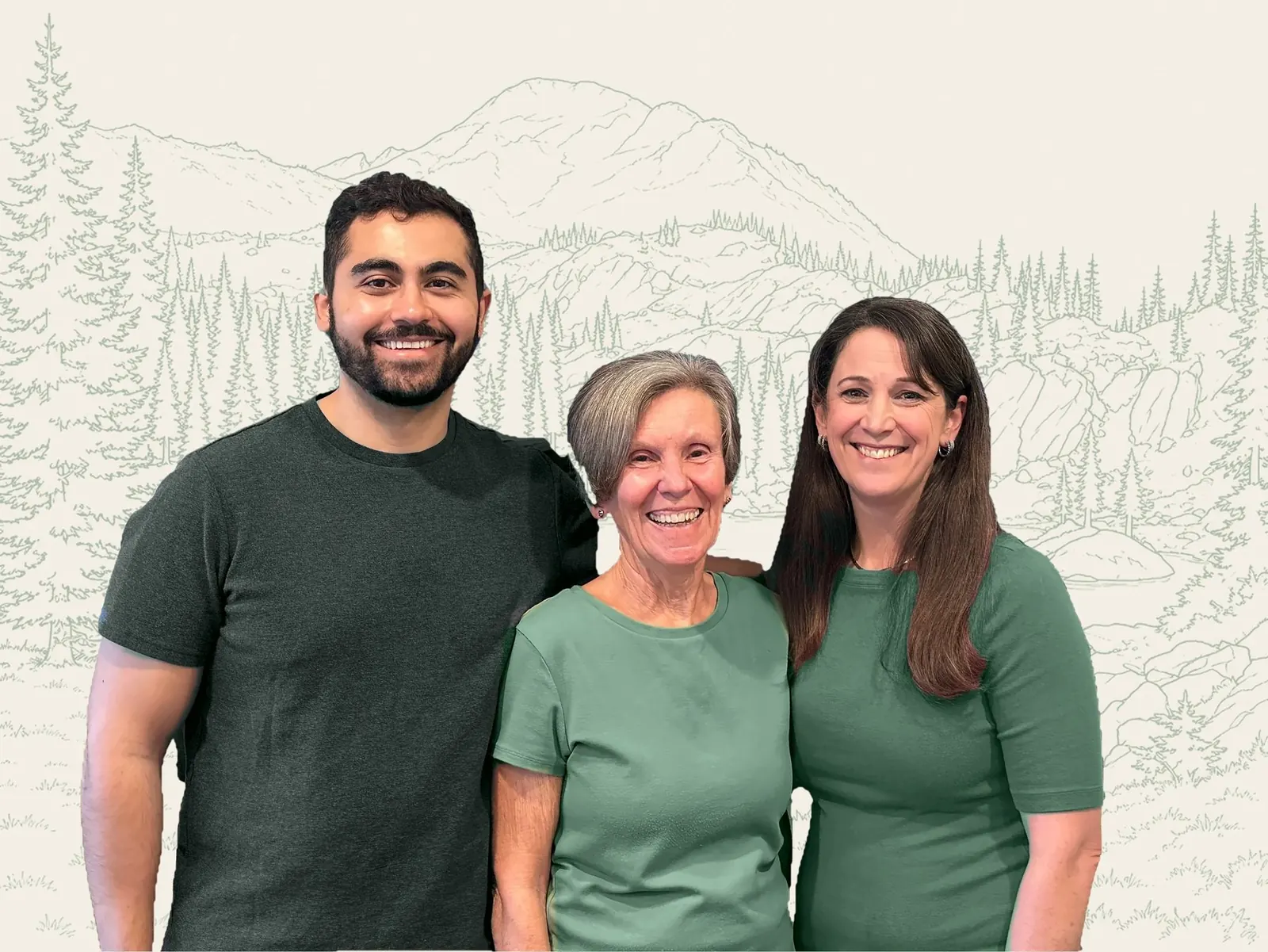
Keroles, Trish and Kristie at Oliver Physiotherapy
Listen first

Your goals shape your plan, not the other way around.

Hands-on, one-on-one

Quality time with your physiotherapist at every visit.

Collaboration over competition

If someone else can help you better, we’ll tell you and connect you.

Our team

Meet your physiotherapists

Three registered physiotherapists. Every patient is welcomed, heard and treated hands-on.

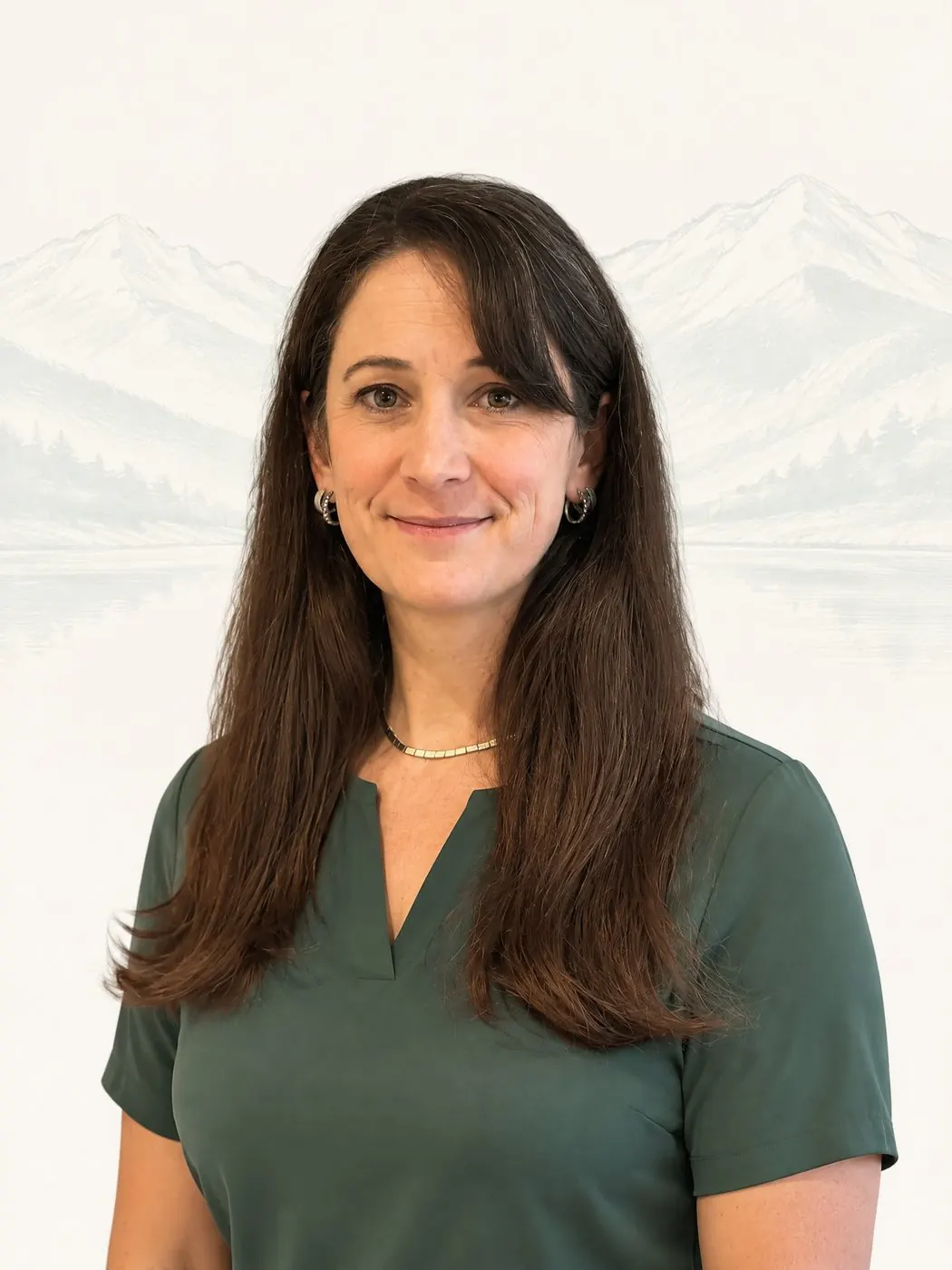
Kristie Stefishen, owner and physiotherapist

Kristie Stefishen

Owner · Physiotherapist · MPT

Owner and physiotherapist, focused on helping you get back to the life you love.

Clinic ownerMaster of Physiotherapy (2007)Gunn IMSSpine careOrthopaedics
“I look forward to working with you and helping you achieve your fullest potential.”

Kristie's path to physiotherapy started as a patient. After injuries as a child, she saw first-hand how much a good physiotherapist can help someone return to the activities they love. That experience led her to the profession, and she earned her Master's in Physiotherapy in 2007.

She moved to the Okanagan in 2008 for the lifestyle. Today she leads the clinic with one goal: excellent care for every patient, at every stage of recovery. Her clinical focus is Gunn IMS, spine care and orthopaedic conditions, and she keeps building her skills in each.

Away from the clinic, Kristie spends her time with her husband and five children, skiing and mountain biking. She also volunteers as an adaptive ski instructor, using her physiotherapy skills to help people with physical, cognitive and sensory disabilities learn to ski.

Ask Kristie about
  • Gunn IMS (dry needling)
  • Back & neck (spine) care
  • Orthopaedic injuries
  • Joint & muscle pain
Book with Kristie
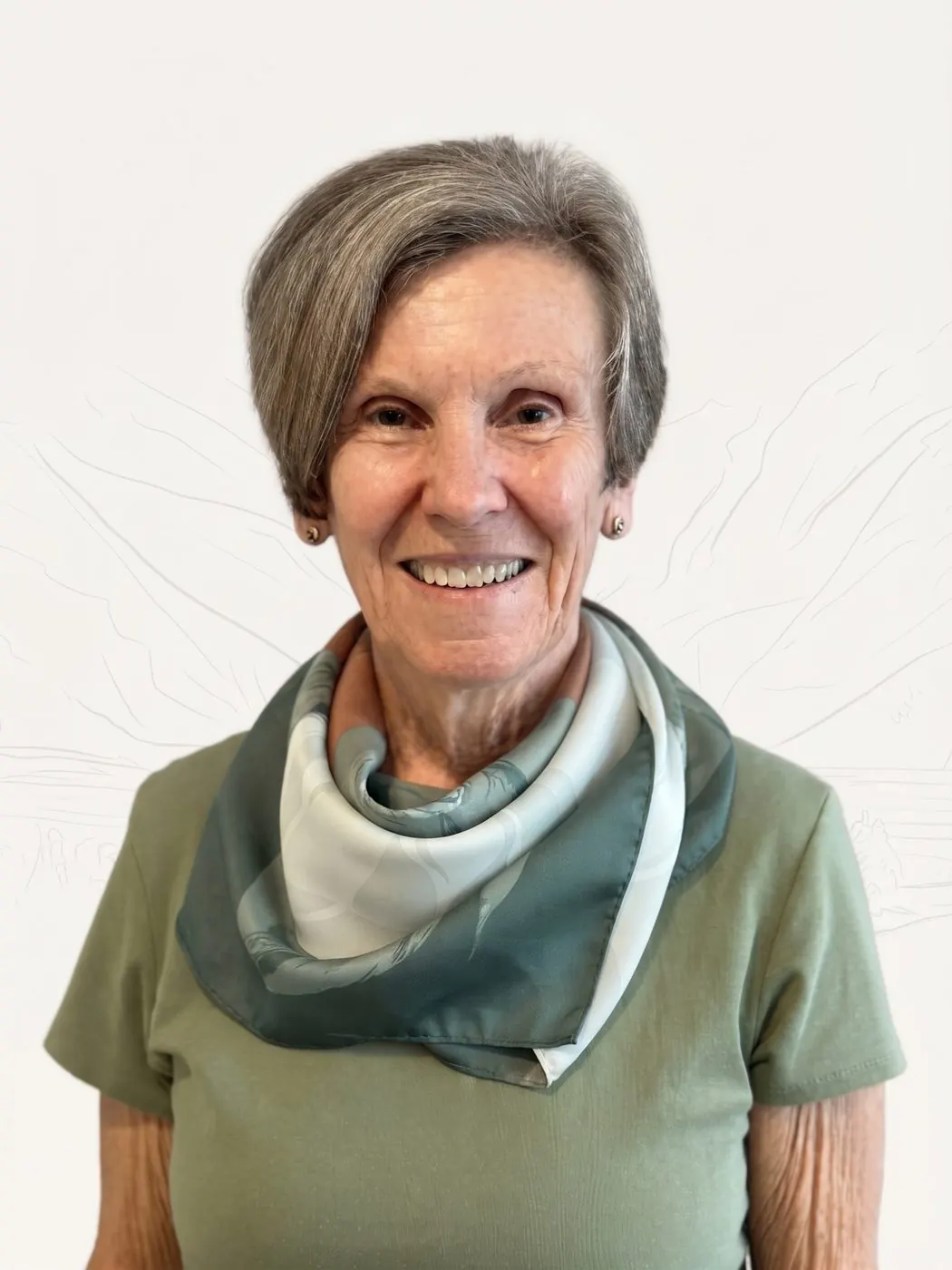
Trish Stevens, registered physiotherapist

Trish Stevens

Registered Physiotherapist · RPT, DipPT

Nearly 50 years of hands-on experience, and still learning.

≈50 years experienceIMS dry needlingMyofascial releaseBarral Institute (osteopathic-based)Craniosacral therapy
“My philosophy is to work with clients to find their way to recovery.”

For Trish, recovery is a partnership. She listens, explains what is going on and builds a plan with you, not for you.

Nearly 50 years in practice have given her a skill set she trusts. She combines exercise, education and manual therapy with myofascial release and IMS dry needling. She is also trained in Barral Institute techniques (osteopathic-based) and craniosacral therapy, gentle hands-on options when your body needs a lighter touch.

A lifelong learner, Trish is still adding new skills, so your care keeps getting better.

Ask Trish about
  • Acute & chronic orthopaedic injuries
  • Car accident (MVA) injuries
  • Persistent pain
  • Pelvic & sacroiliac (SI) problems
  • Headaches
  • Jaw problems (TMJ)
  • Dizziness & vertigo
Book with Trish
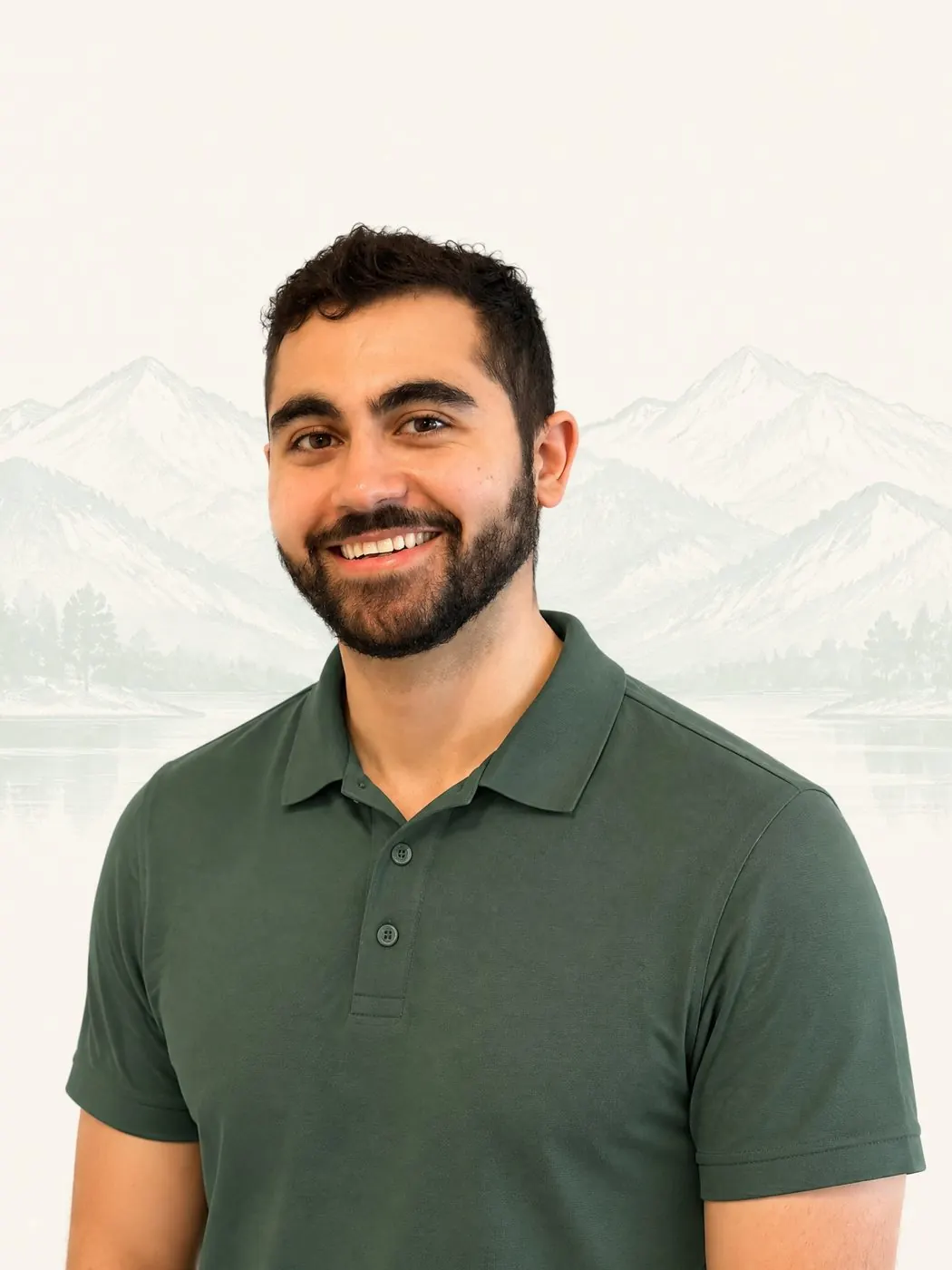
Keroles Soliman, physiotherapist

Keroles Soliman

Physiotherapist · MSc PT · Physiothérapeute bilingue

Your bilingual physiotherapist — care in English or en français.

English · FrançaisMSc Physiotherapy (UdeM)Vestibular rehabSpinal & joint manipulationNeuro rehabFitness & strength

Originally from Montreal, Keroles traded the city for the Okanagan mountains — and brought a science-first approach with him. After a BSc in Biochemistry at Concordia, he earned both his Bachelor's and Master's in Physiotherapy at the Université de Montréal.

His care is evidence-based and built around you. He treats musculoskeletal, neurological and vestibular conditions, with advanced training in peripheral and spinal manipulation and in vestibular rehabilitation for dizziness and balance.

Keroles lives what he teaches. He loves working out and staying healthy, and you'll often see him at the gym. Off the clock you'll also find him hiking, mountaineering, cross-country skiing or cooking for friends. He loves teaching, so expect to leave each visit understanding your body a little better.

Ask Keroles about
  • Sports & outdoor injuries
  • Dizziness & vertigo
  • Neck & back pain
  • Neurological rehab
  • Return to sport & strength
  • Care in French
Book with Keroles

Originaire de Montréal, Keroles a choisi les montagnes de l'Okanagan — et y a apporté une approche fondée sur la science. Après un baccalauréat en biochimie à Concordia, il a obtenu son baccalauréat et sa maîtrise en physiothérapie à l'Université de Montréal.

Ses traitements sont fondés sur les données probantes et adaptés à vos objectifs. Il traite les troubles musculosquelettiques, neurologiques et vestibulaires, avec une formation avancée en manipulation périphérique et vertébrale et en rééducation vestibulaire (vertiges et équilibre).

Keroles applique ce qu'il enseigne. Il adore s'entraîner et garder la forme, et vous le croiserez souvent au gym. Hors de la clinique, il aime aussi la randonnée, l'alpinisme, le ski de fond et cuisiner pour ses amis. Passionné d'enseignement, il vous aide à mieux comprendre votre corps à chaque visite.

Parlez à Keroles de
  • Blessures sportives et de plein air
  • Étourdissements et vertiges
  • Douleurs au cou et au dos
  • Réadaptation neurologique
  • Retour au sport et renforcement
  • Soins en français
Réserver avec Keroles
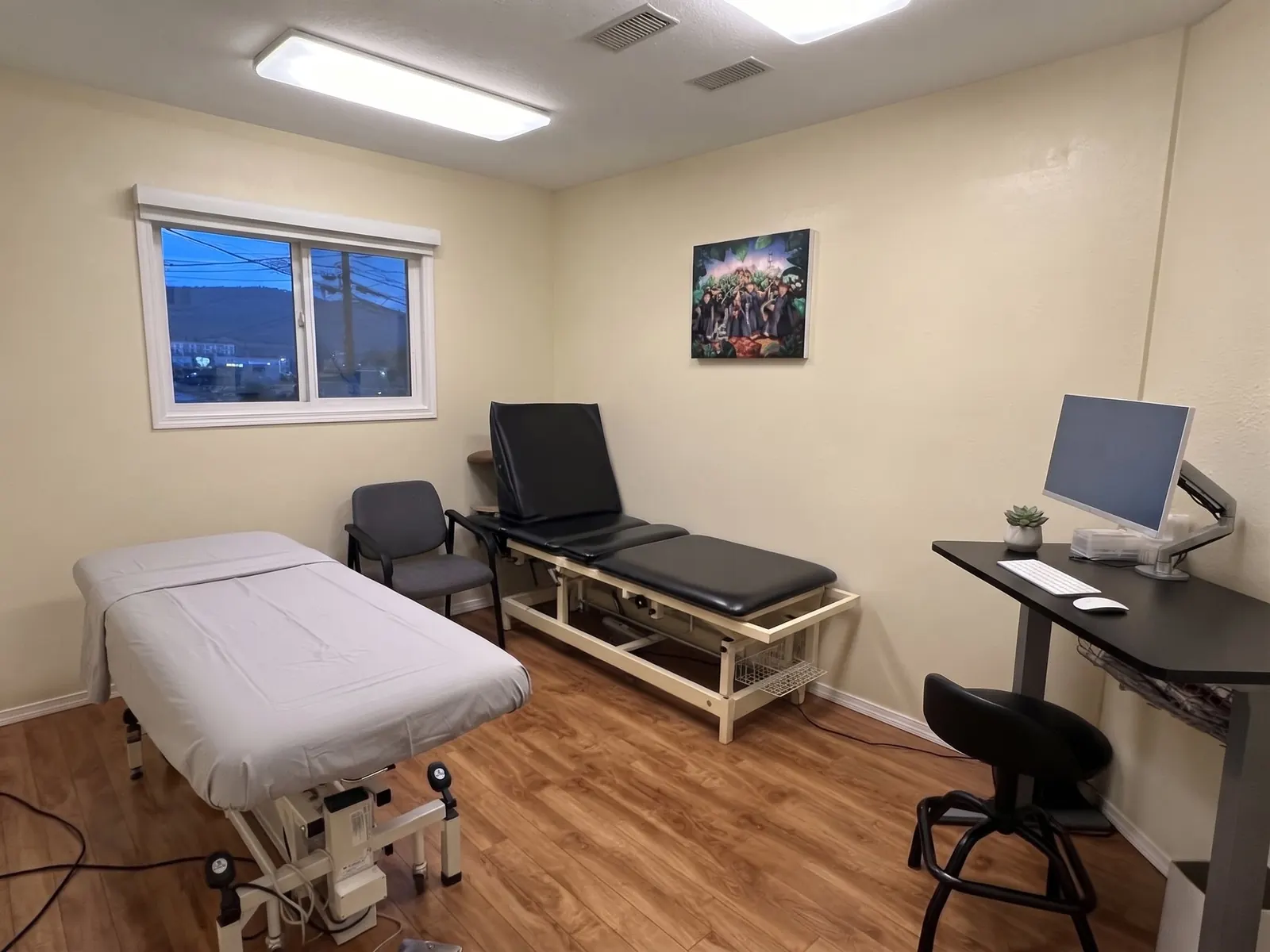
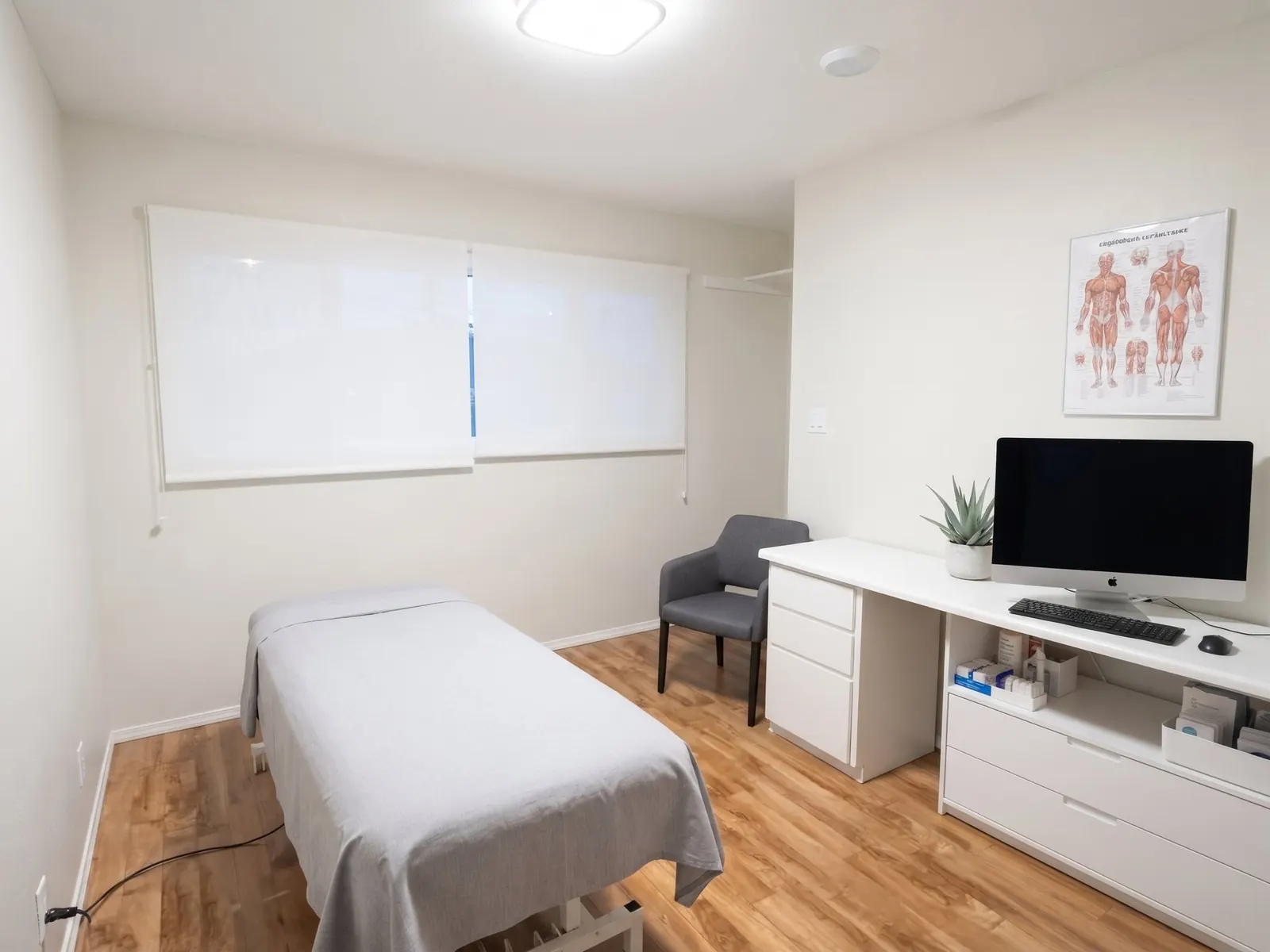
Our space

Inside the clinic

Bilingual care · Soins bilingues

Physiotherapy in your language.
La physiothérapie dans votre langue.

Pain is easier to explain in the language you think in. Keroles Soliman provides full assessments and treatment in French or English — the only bilingual physiotherapy care in Oliver.

En français

  • Évaluation et traitement complets en français
  • Explications et exercices à domicile en français
  • Aucune référence médicale requise
  • Facturation directe, incluant ICBC et WSBC

Prendre rendez-vous

In English

  • Full assessment and treatment in English
  • Clear home exercise programs
  • No doctor's referral needed
  • Direct billing incl. ICBC and WSBC

Book an appointment

Seasonal & farm workers

Vineyard and orchard crews from Québec and francophone countries.

Snowbirds & visitors

Francophone retirees and tourists in the South Okanagan.

Local families

French-speaking residents and French-immersion families.

Read Keroles' full bio · Lire la bio complète →

New patients

Your first visit, made simple

No doctor's referral needed

Book your first assessment directly.

Direct billing available

We bill ICBC, WSBC and major private insurers directly.

What to bring

Comfortable clothing, your CareCard or photo ID, and your insurance details.

Intake forms

Fill them in online before you arrive. Open the Jane intake form

Ready for your first visit?

Choose your physiotherapist and a time that suits you on Jane, our online booking.

FAQ

Common questions

Do I need a doctor's referral?

No. You can book directly with us. Some extended health plans ask for a referral for reimbursement — check your plan.

Do you direct bill?

Yes, to most major insurers, including ICBC and WSBC.

What is IMS (dry needling)?

Intramuscular stimulation uses a very fine needle to release tight muscles and calm irritated nerves. Ask us whether it suits your condition.

Can I be treated in French? · Puis-je être traité en français?

Yes — Keroles offers full assessment and treatment in French. Oui, Keroles offre l'évaluation et le traitement complets en français.

How many visits will I need?

It depends on your condition and goals. After your assessment we'll give you a clear plan and an estimate.

What should I wear?

Comfortable clothing that lets us see and move the area being treated.

Contact

Visit or call

Phone: (250) 485-7124

Address: 471 Fairview Road, Oliver, BC V0H 1T0

Mailing: PO Box 471, Oliver, BC V0H 1T1

Fax: (250) 485-2627

Hours: Tuesday to Friday, 8:30 am – 4:30 pm
Saturday & Sunday: by appointment
Closed Monday

Ask us a question

We’ll get back to you within one business day

Newsletter

Stay well between visits

One short email a month: seasonal tips, clinic news and holiday hours. Unsubscribe any time.

Call (250) 485-7124